Cuban vs Dominican Cigars: Flavor, Construction and Buying Context
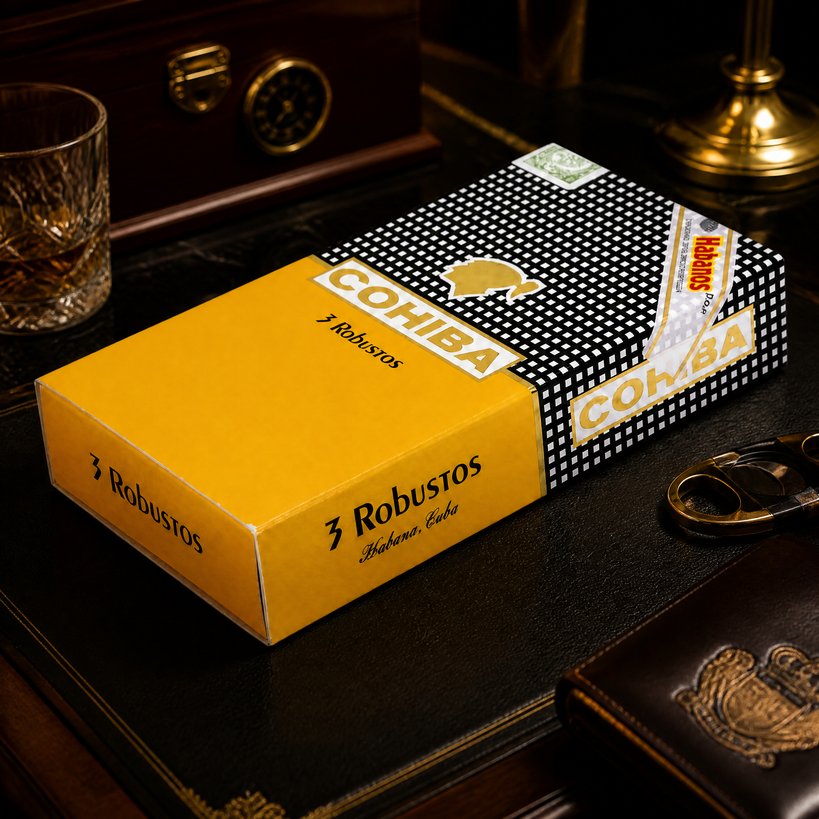
Treat origin as a starting point Country of origin provides context, but it cannot predict an individual cigar's flavor or strength. Blend, fermentation, size, storage and your smoking pace all matter. A Dominican-made cigar can contain tobacco from several countries, so distinguish the manufacturing location from the origins of wrapper, binder and filler. Compare similar formats Choose broadly comparable lengths and ring gauges when exploring differences. Otherwise, a short, narrow cigar and a long, wide one introduce too many variables. The linked Cohiba and Davidoff listings offer concrete examples to inspect, but different formats and product lines should not be presented as a controlled taste test. Record construction independently Write separate notes for draw resistance, burn behavior, aroma and perceived intensity. Construction varies between individual cigars, and shipping conditions can temporarily affect performance. Avoid turning one difficult sample into a national stereotype. Use several observations before deciding what you prefer, without assuming a higher price guarantees a better fit. Make the buying context explicit Check the exact presentation, box count and seller information before comparing prices. Local import and tobacco rules may also affect what you can buy or transport. Select by the experience and format you want, then verify the current listing; origin alone is not an authenticity test, storage instruction or quality certificate. Cigar accessories and storage: the beginner’s guide Products discussed in this guide COHIBA ROBUSTOS TUBO — 15-Cigar Pack View product → Davidoff Sign 2000 Tub EUN — 20-Cigar Pack View product → WSC LATE HOUR ROBUSTO — 20-Cigar Pack View product →


